Parasitic·Freshwater
Freshwater Ich, White Spot Disease, Ick
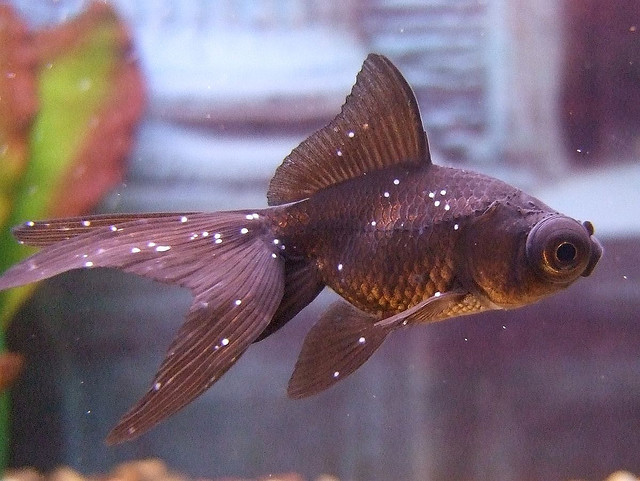
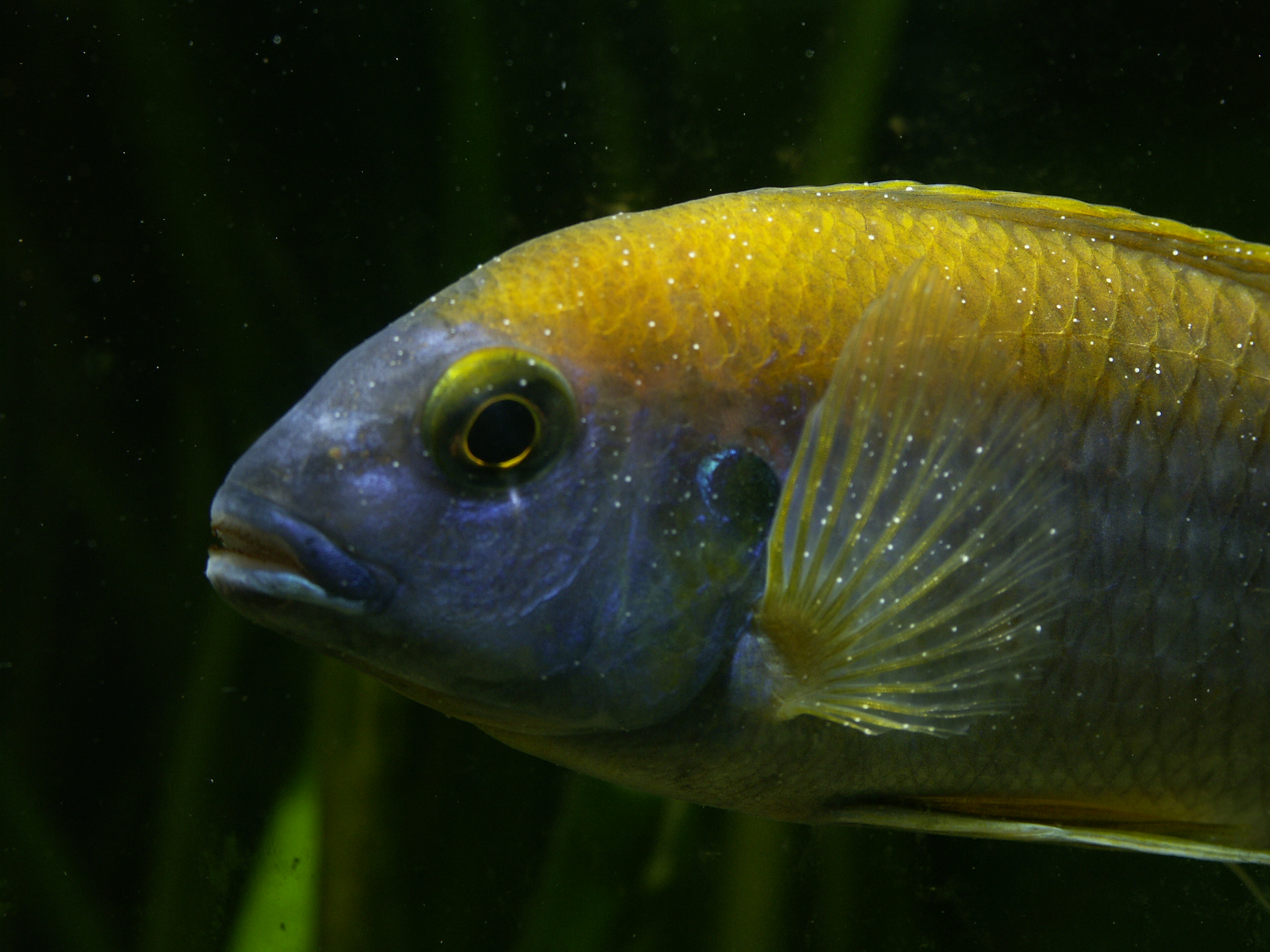
Freshwater Ich, caused by the ciliate protozoan Ichthyophthirius multifiliis, is widely regarded as the most common disease in Australian freshwater aquariums. Recognisable by the distinctive white sp…
View guide →Parasitic·Freshwater
Freshwater Velvet, Gold Dust Disease, Rust Disease, Velvet
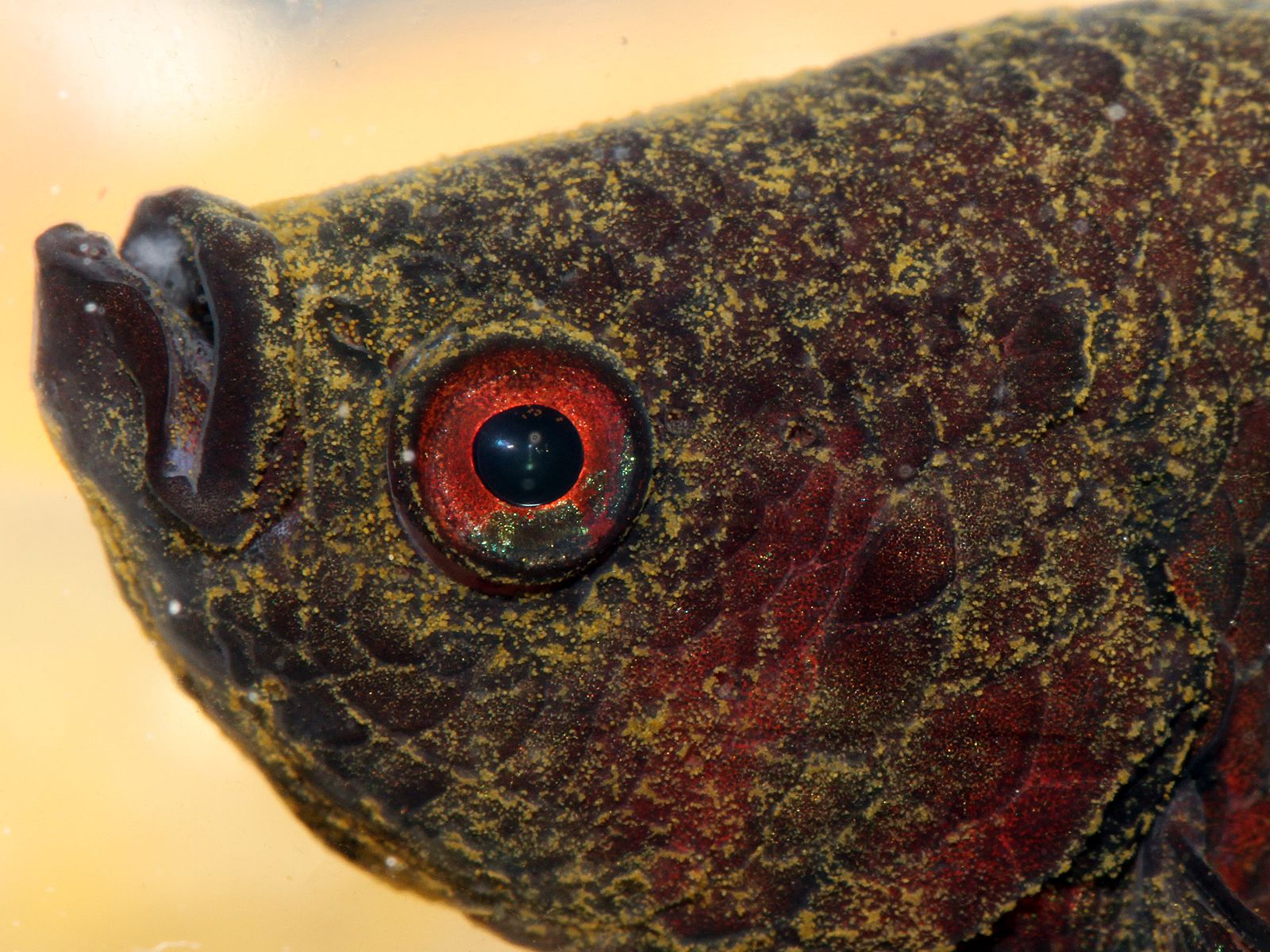
Freshwater Velvet disease, caused by the photosynthetic dinoflagellate Oodinium pillularis, is one of the most visually striking and deadly diseases to strike an Australian home aquarium. Unlike Ich, …
View guide →Parasitic·Marine
Marine Ich, Saltwater White Spot, Saltwater Ick
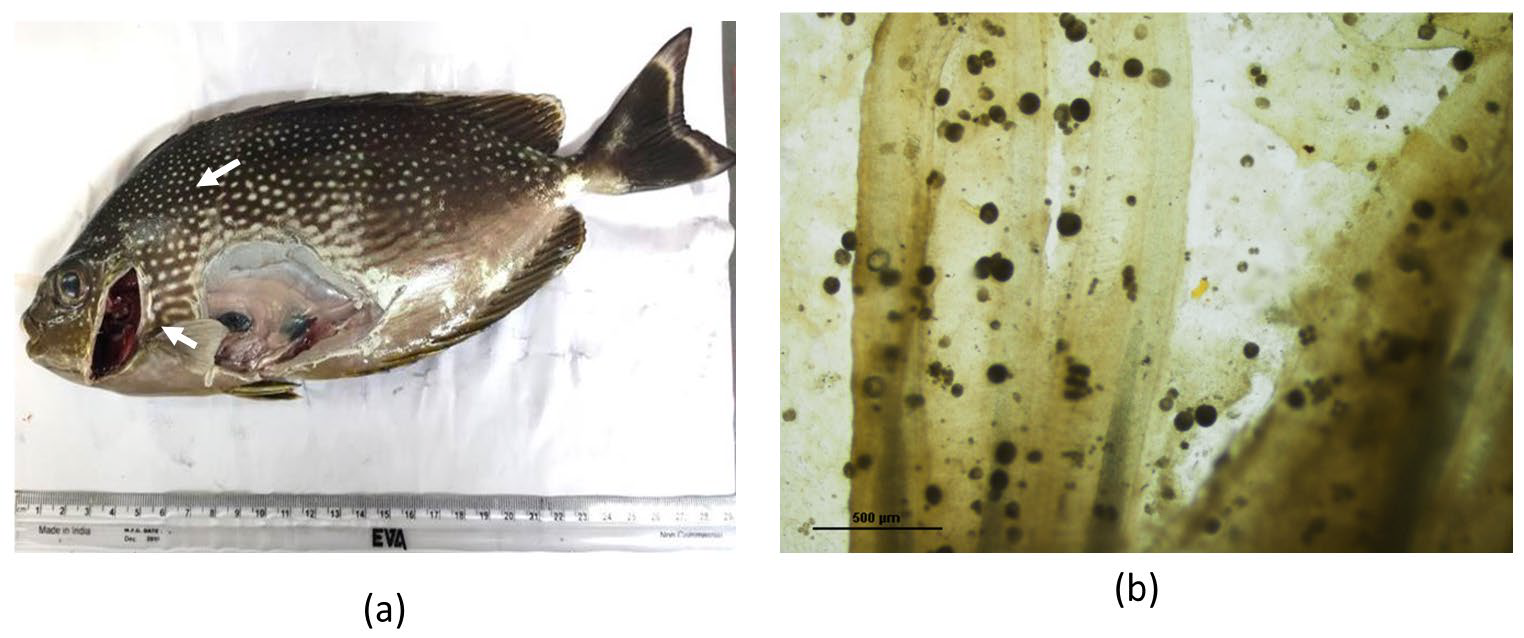
Marine Ich, caused by the ciliate protozoan Cryptocaryon irritans, is the saltwater equivalent of freshwater Ich and is one of the most feared diseases among Australian reef and marine aquarium keeper…
View guide →Parasitic·Marine
Marine Velvet, Coral Fish Disease, Oodiniosis
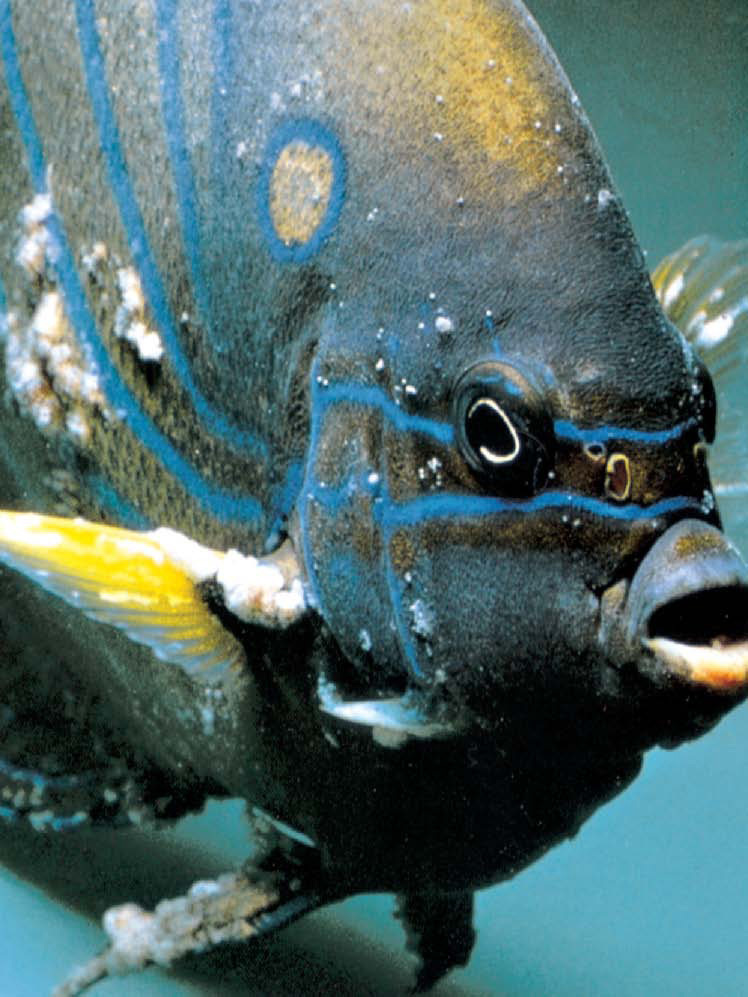
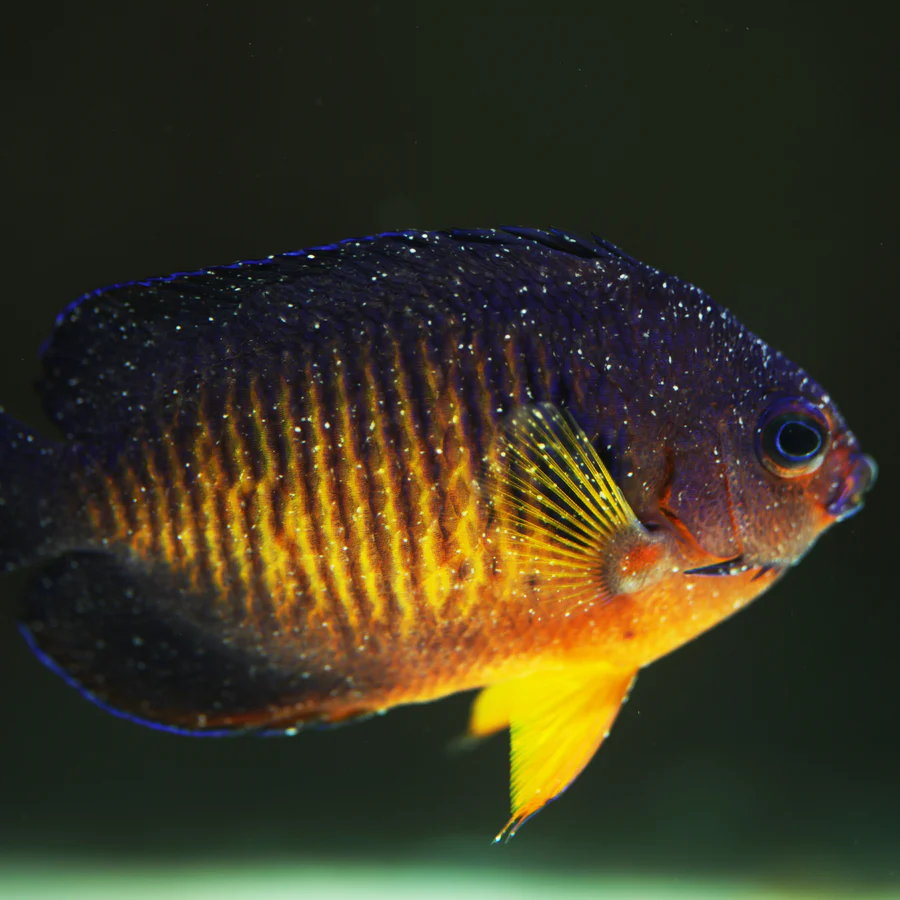
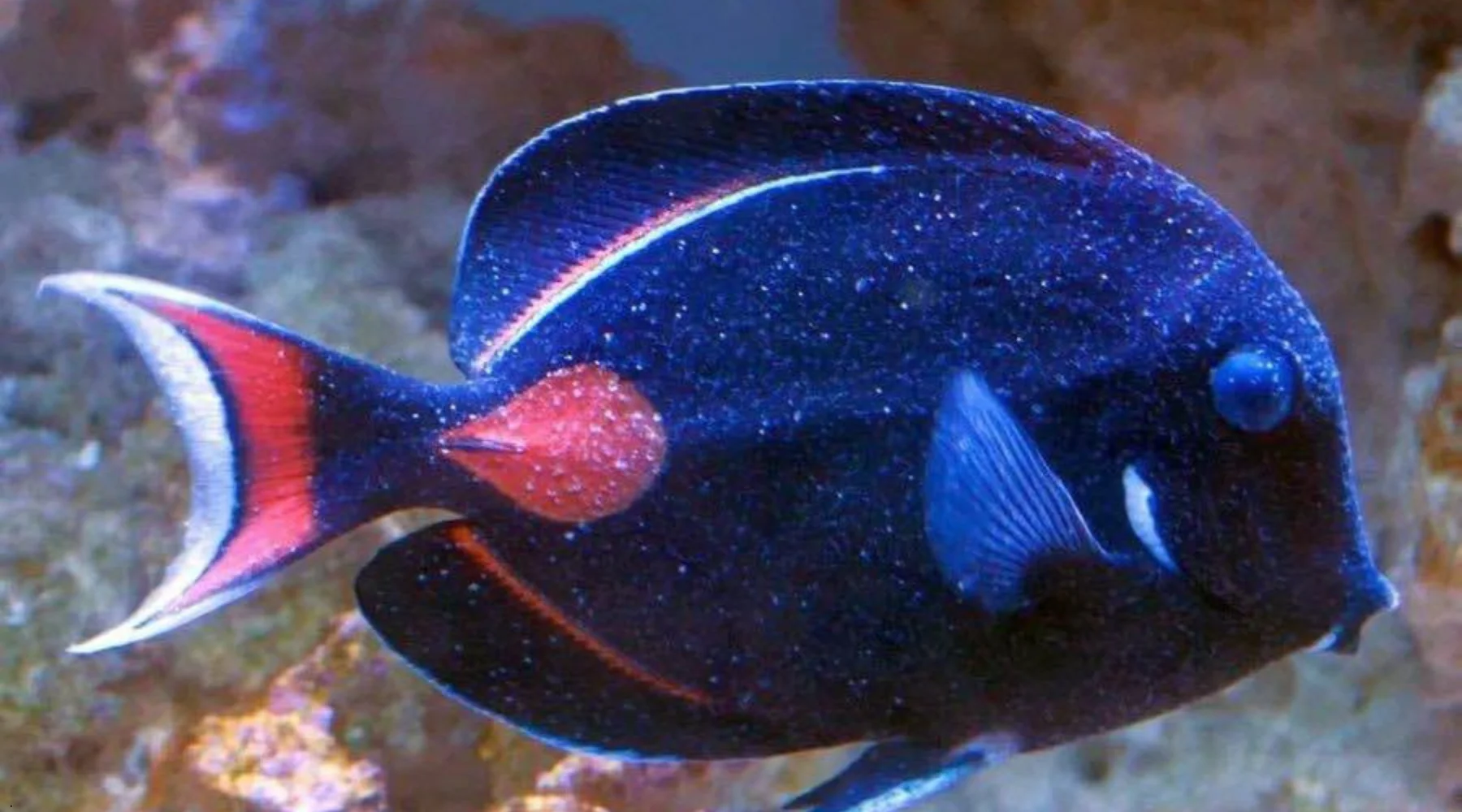
Marine Velvet, caused by Amyloodinium ocellatum, is arguably the most dangerous disease that can enter an Australian saltwater aquarium. This dinoflagellate parasite attacks the gills first — often be…
View guide →Parasitic·Marine
Brooklynella, Clownfish Disease
Brooklynella hostilis is a parasitic disease that holds a special concern for Australian clownfish enthusiasts — this ciliate has a strong preference for clownfish and can devastate a pair within just…
View guide →Bacterial·Freshwater
Columnaris, Cotton Wool Disease, Saddleback Disease, Mouth Rot, Mouth Fungus
Columnaris disease, caused by the gram-negative bacterium Flavobacterium columnare, is one of the most commonly misidentified diseases in Australian freshwater aquariums. Its white, cotton-like growth…
View guide →Bacterial·Freshwater & Marine
Fin Rot, Tail Rot
Fin rot is among the most frequently encountered diseases in Australian aquariums and is almost always the result of poor water conditions, overcrowding, or stress weakening a fish's immune defences. …
View guide →Fungal (Oomycete)·Freshwater
Fungal Infection, Cotton Wool Disease, Water Mould, Saprolegniasis
Fungal infections in freshwater fish, most commonly caused by the water mould Saprolegnia, typically appear as white or greyish cotton-wool-like tufts growing from the fish's skin, fins, or around inj…
View guide →Parasitic·Freshwater
Neon Tetra Disease, NTD
Neon Tetra Disease (NTD) is a devastating and incurable illness caused by the microsporidian parasite Pleistophora hyphessobryconis, and it represents one of the greatest threats to the neon and cardi…
View guide →Parasitic (Flagellate Protozoan)·Freshwater & Marine
Hole in the Head (HITH), Head and Lateral Line Erosion (HLLE), Hexamita, Hexamitiasis
Hole in the Head disease is a chronic and distressing condition seen regularly in Australian aquariums, particularly among discus, oscar, and angelfish keepers. The condition is named for the pitted e…
View guide →Bacterial (secondary)·Freshwater
Dropsy, Pinecone Disease, Malawi Bloat
Dropsy is one of the most visually alarming conditions an aquarium hobbyist can encounter — a severely bloated fish with scales protruding outward in all directions like a pinecone is a hallmark sign …
View guide →Bacterial (usually)·Freshwater & Marine
Popeye, Pop-eye, Exophthalmia
Popeye — known medically as exophthalmia — is one of the more startling conditions a fish owner can encounter, characterised by one or both eyes bulging dramatically from the socket. In Australian aqu…
View guide →Bacterial / Physical / Nutritional·Freshwater
Swim Bladder Disease, Swim Bladder Disorder, SBD
Swim bladder disease is a broad term used in Australian fishkeeping to describe any condition affecting the organ that allows fish to control their buoyancy. Seeing a beloved goldfish or betta floatin…
View guide →Bacterial (Mycobacterial)·Freshwater & Marine·Zoonotic
Fish Tuberculosis, Fish TB, Piscine Tuberculosis, Wasting Disease, Fish Handlers Disease
Fish Tuberculosis, caused by Mycobacterium marinum and related species, is one of the most serious and misunderstood diseases in the Australian aquarium hobby. Because it is a slow-progressing wasting…
View guide →Parasitic (Copepod)·Freshwater
Anchor Worm, Lernaeosis
Anchor worm (Lernaea spp.) is one of the most visually unmistakable parasites encountered in Australian freshwater fishkeeping — the thread-like worms, up to two centimetres long, can be seen protrudi…
View guide →Parasitic (Branchiuran Crustacean)·Freshwater & Marine
Fish Lice, Argulosis
Fish lice (Argulus spp.) are among the most easily spotted external parasites in Australian freshwater aquariums and ponds. Unlike the microscopic parasites that cause diseases such as Ich, Argulus ar…
View guide →Parasitic (Flatworm/Trematode)·Freshwater & Marine
Flukes, Skin Flukes, Gill Flukes, Monogenean Trematodes
Fish flukes — tiny flatworm parasites belonging to the groups Gyrodactylus (skin flukes) and Dactylogyrus (gill flukes) — are among the most common but least visible parasites affecting fish in Austra…
View guide →Parasitic (Nematode)·Freshwater
Camallanus Worms, Red Worms
Camallanus worms are a nightmare scenario for Australian livebearer enthusiasts — the sight of thin red worms protruding from a guppy's or molly's anus is both distressing and alarming. These nematode…
View guide →Parasitic (Cestode/Flatworm)·Freshwater & Marine
Tapeworms, Cestodes
Fish tapeworms (cestodes) are internal parasites that live in the intestinal tract of aquarium fish, feeding on nutrients and slowly starving their host. In Australian aquariums, tapeworms are most co…
View guide →Viral·Freshwater & Marine
Lymphocystis, Lymphocystis Disease, Cauliflower Disease
Lymphocystis is a viral disease caused by a member of the Iridoviridae family that produces distinctive cauliflower-like white or grey growths on the fins, skin, and occasionally the mouth of affected…
View guide →Parasitic·Freshwater
Chilodonella, Chilodonellosis
Chilodonella is a ciliate protozoan parasite that poses a particular danger to Australian goldfish and koi keepers, especially during the cooler winter months when the parasite thrives and the fish's …
View guide →Parasitic·Freshwater & Marine
Trichodina, Trichodiniasis
Trichodina is a disc-shaped ciliate protozoan that can be found in most aquariums in small numbers without causing problems — it is when stress, poor water quality, or overcrowding allows the populati…
View guide →Parasitic·Marine
Uronema, Marine Uronema Disease
Uronema marinum is a marine ciliate protozoan that is primarily an opportunist, targeting stressed, injured, or immunocompromised fish in saltwater aquariums. What makes Uronema particularly dangerous…
View guide →Bacterial·Freshwater & Marine
Bacterial Ulcer Disease, Marine Bacterial Infection, Haemorrhagic Septicaemia, Red Pest
Bacterial ulcer disease — also known as haemorrhagic septicaemia or red pest — is a broad category of serious bacterial infection caused by opportunistic gram-negative bacteria such as Aeromonas, Vibr…
View guide →Viral·Freshwater·Notifiable
SVC, Rhabdovirosis of Carp
Spring Viremia of Carp (SVC) is a devastating viral disease of carp-family fish that holds special significance in Australia due to the presence of enormous feral carp populations in the Murray-Darlin…
View guide →Viral·Freshwater & Marine·Notifiable
VHS, Viral Haemorrhagic Septicaemia, Egtved Disease
Viral Haemorrhagic Septicaemia (VHS) is a serious notifiable viral disease that Australia works actively to keep out through stringent biosecurity controls on imported fish and fish products. The dise…
View guide →Viral·Freshwater·Notifiable
EHN, Epizootic Haematopoietic Necrosis
Epizootic Haematopoietic Necrosis (EHN) is a disease unique in the global context: it was first discovered in Australia and is caused by a ranavirus that is endemic in some Australian fish populations…
View guide →Environmental / Nutritional·Freshwater & Marine
HLLE, Head and Lateral Line Erosion, Lateral Line Disease
Head and Lateral Line Erosion (HLLE) is a chronic and progressive condition most commonly seen in tangs, surgeonfish, and marine angelfish in Australian reef aquariums, although cichlids in freshwater…
View guide →Viral·Freshwater·Notifiable
IPN, Infectious Pancreatic Necrosis
Infectious Pancreatic Necrosis (IPN) is a viral disease of significant concern to Australia's growing aquaculture industry, particularly the production of rainbow trout and Atlantic salmon in the cool…
View guide →Parasitic (Myxozoan)·Freshwater·Notifiable
Whirling Disease, Myxozoa, Salmonid Whirling Disease
Whirling Disease is an exotic disease that Australia has thus far successfully excluded through strict biosecurity measures — and for very good reason. Caused by the myxozoan parasite Myxobolus cerebr…
View guide →