Causative agent: Oodinium pillularis / Oodinium limneticum — dinoflagellate parasite
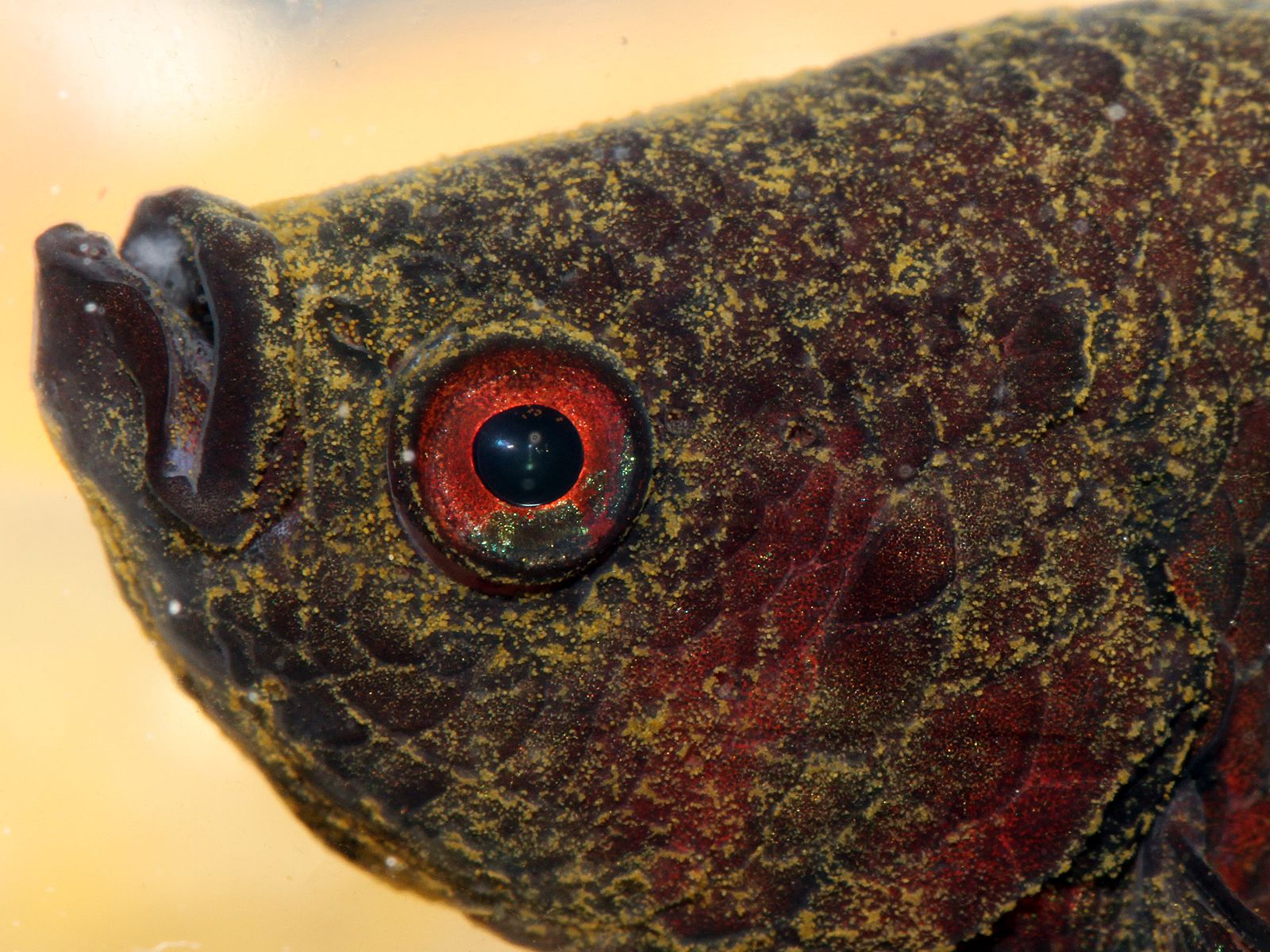
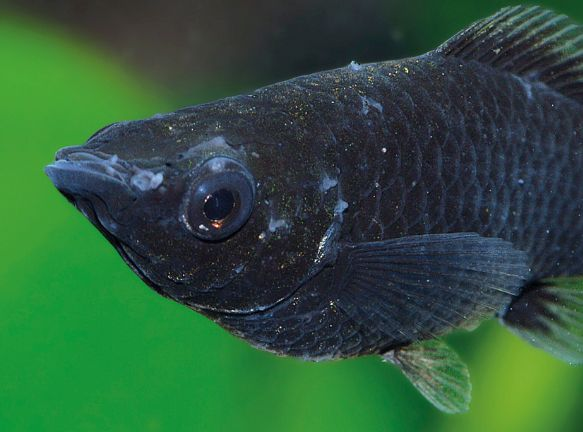
Freshwater Velvet disease, caused by the photosynthetic dinoflagellate Oodinium pillularis, is one of the most visually striking and deadly diseases to strike an Australian home aquarium. Unlike Ich, the spots are far smaller — resembling a fine dusting of gold or rust-coloured powder across the fish's body, most visible when light catches the surface at an angle. Bettas, gouramis, and danios are particularly susceptible, and an outbreak can devastate an entire tank within days. Because the parasite relies on light for photosynthesis, immediately dimming the aquarium lights is an important first step that slows its reproduction. Treatment with Aquasonic Oodonex or Aristopet Multicure should commence as soon as velvet is suspected. Hobbyists often mistake velvet for Ich due to similar symptoms, but the finer, dustier appearance and the fish's tendency to breathe heavily near the surface are key distinguishing signs. Early detection and isolation of affected fish are critical to preventing total tank loss.
Symptoms
- •Golden, rust, or yellow dusty film on skin
- •clamped fins
- •fish rubbing against objects
- •rapid gill movement
- •labored breathing
- •loss of appetite
- •skin may peel off in sheets
Treatment
- •Dim or turn off lights (parasite is photosynthetic)
- •acriflavine
- •copper-based treatments
- •salt baths
- •malachite green
- •formalin
Australian Medications
- •Aquasonic Oodonex
- •Aristopet Multicure
- •Aquasonic Bactonex
Commonly Affected Fish
- •All freshwater fish
- •especially bettas, gouramis, danios, killifish
Important Notes
Dim tank lights immediately — the parasite uses photosynthesis. Often confused with Ich but spots are much finer and more dust-like.