Causative agent: Cryptocaryon irritans — ciliate protozoan parasite
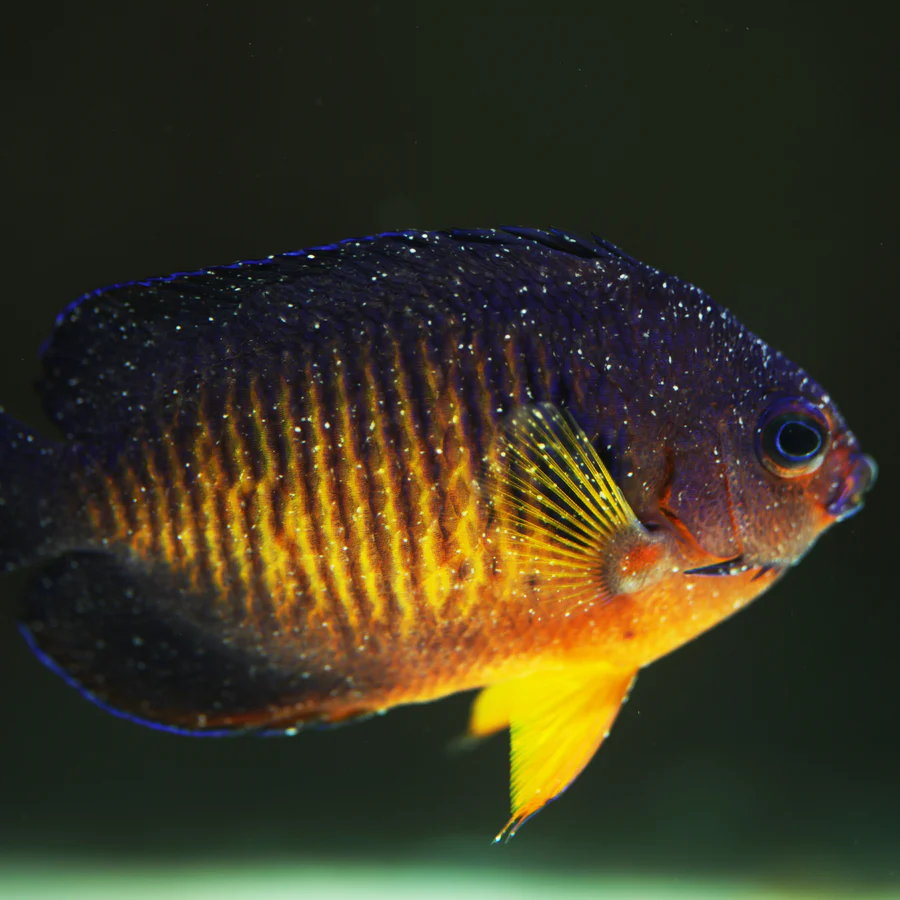
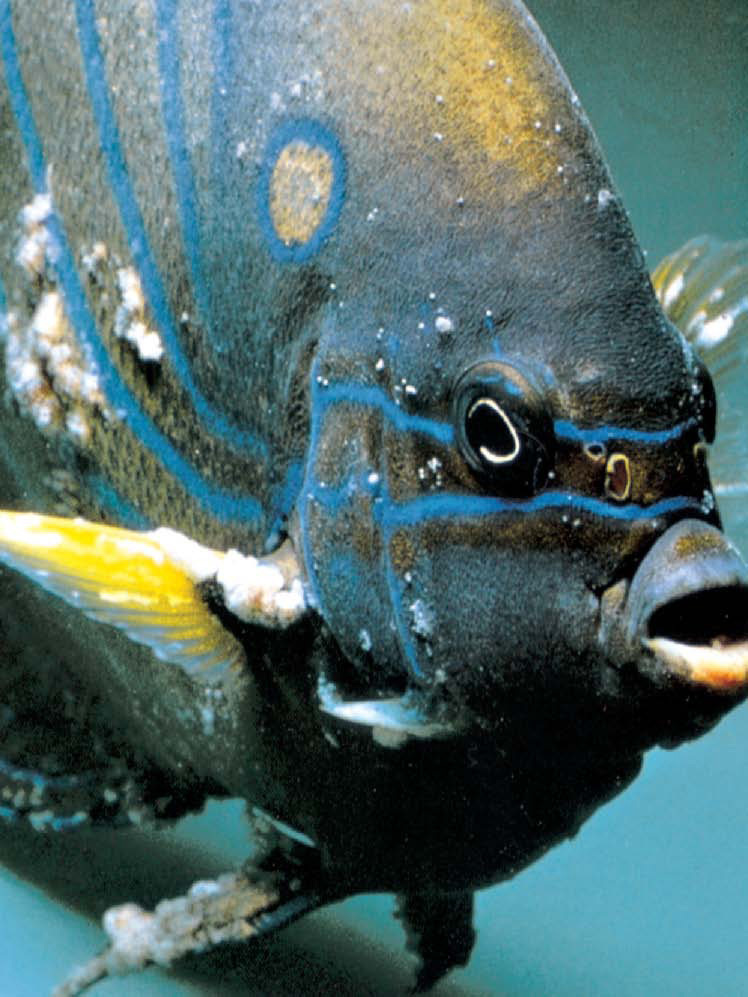
Marine Ich, caused by the ciliate protozoan Cryptocaryon irritans, is the saltwater equivalent of freshwater Ich and is one of the most feared diseases among Australian reef and marine aquarium keepers. The parasite presents as white spots resembling grains of salt on the fish's skin and fins, but unlike its freshwater counterpart it is considerably harder to eradicate in a reef environment because copper treatments — the most effective option — will kill corals and invertebrates. For this reason, marine Ich must be treated in a dedicated quarantine or hospital tank, while the main display is left fallow (without fish) for a minimum of six to eight weeks to starve out the parasite. The tank transfer method (TTM) is a popular copper-free option among Australian reef keepers. Prevention through a mandatory 4–6 week quarantine period for all new fish purchases is strongly recommended, as all tangs and clownfish — two of the most popular marine species in Australia — are particularly susceptible.
Symptoms
- •White salt-like spots on body and fins
- •scratching on rocks and sand
- •head twitching
- •heavy breathing
- •hiding
- •loss of appetite
- •excessive mucus production
Treatment
- •Copper-based treatments (in quarantine tank only)
- •chloroquine phosphate
- •hyposalinity (1.009 SG)
- •tank transfer method (TTM)
- •freshwater dips
Australian Medications
- •Copper Power
- •Seachem Cupramine (available via Australian reef stores)
- •chloroquine phosphate via vet
Commonly Affected Fish
- •All marine fish
- •especially tangs, clownfish, angelfish, wrasses
Important Notes
Never treat with copper in a reef tank — it kills invertebrates and corals. Always use a separate hospital/quarantine tank.